
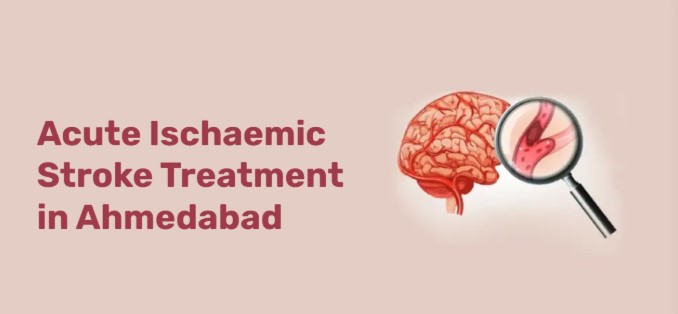

An acute ischaemic stroke is a medical emergency that requires immediate response, every minute of delay in restoring blood flow to the affected area of the brain results in further irreversible neurological damage. But the period immediately after the acute emergency has been managed is equally critical. The first thirty days following an acute ischaemic stroke represent a window of neurological plasticity when the brain’s capacity to reorganise and recover is at its greatest, and the care provided during this period significantly influences the long-term recovery outcomes for the patient.
Understanding Acute Ischaemic Stroke
An acute ischaemic stroke occurs when a blood clot blocks one of the arteries supplying the brain, cutting off oxygen and glucose to the affected brain tissue. Without intervention, this results in death of brain cells within minutes, producing neurological deficits that may include:
- Sudden weakness or paralysis on one side of the body
- Facial drooping on one side
- Sudden speech difficulty or confusion
- Visual disturbance in one or both eyes
- Sudden severe headache
The FAST acronym, Face drooping, Arm weakness, Speech difficulty, Time to call emergency services, is widely promoted because rapid action is the single most important factor determining outcome.
The Acute Treatment Phase: Hours 0 to 24
The primary goal of acute ischaemic stroke treatment is restoring blood flow to the affected brain tissue as quickly as possible. The two main acute interventions are:
Intravenous Thrombolysis
Intravenous tissue plasminogen activator (tPA). a clot-dissolving drug. is administered to eligible patients within four and a half hours of stroke onset. This treatment dissolves the clot and restores blood flow, but it carries a small risk of bleeding and is not suitable for all patients.
Mechanical Thrombectomy
For patients with large vessel occlusion. a clot blocking one of the major brain arteries. mechanical thrombectomy performed by an interventional neuroradiologist is now the standard of care, providing superior outcomes to thrombolysis alone. Using a catheter introduced through the femoral artery, the clot is physically retrieved using a stent retriever or aspiration device, restoring blood flow rapidly.
The role of the interventional neuroradiologist in acute stroke management has expanded dramatically with the evidence supporting thrombectomy, making this specialist an essential component of any comprehensive acute stroke service.
Days 1 to 7: Early Stabilisation and Assessment
After the acute intervention, the focus shifts to stabilisation and prevention of recurrence.
| Priority | Why It Matters |
| Blood pressure management | Hypertension is both a risk factor and a complication in the acute post-stroke period |
| Antiplatelet therapy initiation | Aspirin or clopidogrel reduces the risk of early recurrent stroke |
| Anticoagulation for AF | If atrial fibrillation caused the stroke, early anticoagulation prevents recurrence |
| Swallowing assessment | Up to 50% of stroke patients have dysphagia; aspiration pneumonia is a serious complication |
| Early mobilisation | Evidence supports early movement for most stroke patients to reduce complications |
Weeks 2 to 4: Rehabilitation Begins in Earnest
The first month is when rehabilitation has the greatest impact on recovery, because neurological plasticity, the brain’s ability to reorganise and form new connections, is at its peak in this early period.
The Rehabilitation Team After Acute Ischaemic Stroke in Ahmedabad
Effective stroke rehabilitation involves a multidisciplinary team:
- Physiotherapy: retraining movement, balance, and gait
- Occupational therapy: relearning activities of daily living, from dressing to cooking
- Speech and language therapy: for patients with aphasia or dysphagia
- Neuropsychology: addressing cognitive changes, depression, and emotional adjustment
- Nursing: skin care, bowel and bladder management, and medication adherence
Secondary Prevention: Reducing the Risk of Another Stroke
A stroke is a powerful predictor of future stroke risk, up to 10% of stroke patients have a second stroke within the first month without appropriate secondary prevention. The first thirty days after an acute ischaemic stroke in Ahmedabad must include active management of all modifiable risk factors:
- Blood pressure control — target below 130/80 in most patients
- Antiplatelet or anticoagulant therapy as appropriate
- Cholesterol management, statins in all ischaemic stroke patients unless contraindicated
- Blood glucose management if diabetes is present
- Smoking cessation
- Alcohol reduction
Supporting the Family During Recovery
Stroke affects not only the patient but the entire family. The first month is often disorienting for families who are managing both their own distress and the practical demands of supporting a recovering patient. Key support areas include:
- Clear communication from the medical team about what has happened, what to expect, and what recovery may look like
- Training for family members in how to assist with mobility, feeding, or communication as appropriate
- Information about community support services and long-term rehabilitation resources
Conclusion
The first thirty days after an acute ischaemic stroke in Ahmedabad are among the most critical in a patient’s neurological recovery journey. Prompt acute treatment, early prevention of complications, intensive early rehabilitation, and rigorous secondary prevention together determine the long-term trajectory of recovery. Dev Hospital’s neurology and interventional neuroradiology team provides comprehensive acute stroke care in Ahmedabad, combining emergency intervention with the structured early rehabilitation and prevention programmes that give patients the best possible foundation for recovery.