
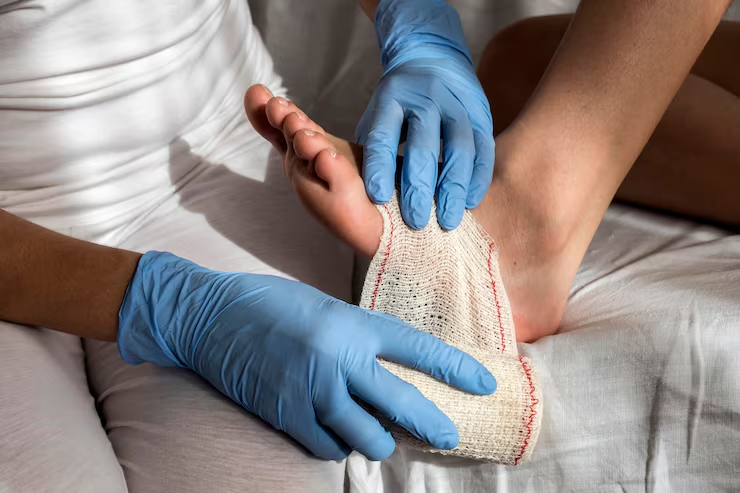

Blisters may seem like a small problem, but once they break open, infection can quickly follow if the skin is not treated correctly. A foot wound care doctor understands that what looks minor to a patient can actually be the beginning of a serious complication if bacteria enter the wound. That’s why specialists use advanced methods to keep healing safe and effective while preventing infections from taking hold.
Careful Cleaning Methods That Lower the Risk of Infection After Blisters
Cleaning sounds simple, yet the way it’s done can determine whether a blister heals smoothly or becomes infected. A foot wound care specialist uses sterile solutions that gently remove dirt, sweat, and bacteria from the wound without causing further damage to the fragile skin. Ordinary soap and water may irritate the site, while antiseptic rinses applied by a professional protect the healing area more effectively.
Another important part of cleaning involves removing loose skin or fluid buildup that may trap bacteria. By carefully managing this step, a foot wound care doctor ensures the blister site has a clean environment where new tissue can grow without disruption. The goal is to lower the risk of infection right from the start, allowing the healing process to stay on course.
Antimicrobial Treatments Used to Safeguard Damaged Skin
After cleaning, antimicrobial treatments add another layer of protection. These treatments may come in the form of ointments, sprays, or gels that are specifically designed to fight bacteria without damaging the sensitive tissue beneath. The choice of product depends on the blister’s size, depth, and whether any surrounding skin shows signs of stress.
By applying the right antimicrobial solution, a foot wound care specialist creates a barrier that shields the blister from bacteria present on socks, shoes, or surfaces. This step is particularly important for patients with diabetes or circulation problems, as infections can spread quickly in these cases. A simple application done with professional precision can often make the difference between fast recovery and long-term complications.
Protective Dressings Applied by a Foot Wound Care Specialist to Block Bacteria
A blister left uncovered can be an open invitation for bacteria. Protective dressings keep the wound sealed away from dirt and friction while helping the tissue stay moist enough to heal properly. Instead of relying on adhesive bandages from the store, a foot wound care doctor selects specialized dressings designed to allow airflow while keeping bacteria out.
These dressings may also include antimicrobial properties or be layered in a way that absorbs fluid without sticking to the wound. By customizing dressings to fit the patient’s activity level and lifestyle, a specialist ensures the blister heals in a safe, controlled environment.
Pressure Relief Techniques That Stop Blisters from Reopening
One of the biggest risks to blister healing is repeated pressure on the same spot. Without relief, the skin may reopen, creating another chance for infection to develop. A foot wound care specialist uses pressure relief methods such as padding, shoe inserts, or offloading devices that shift weight away from the injured area.
These techniques not only protect the blister but also give the surrounding skin a chance to recover. Patients often notice a significant difference in comfort once pressure is reduced. Preventing reopening is one of the best ways to avoid infection, and it highlights the importance of professional care rather than at-home solutions that may not fully address the problem.
Education on Footwear Choices That Prevent Further Skin Breakdown
Improper footwear is one of the most common causes of recurring blisters. Foot wound care doctors provides education on shoe choices that support healing and prevent future breakdown of the skin. This includes guidance on proper sizing, breathable materials, and supportive designs that reduce friction.
In many cases, patients are unaware of how much their shoes contribute to the problem. By receiving tailored advice, they can avoid repeated blistering that puts them at higher risk for infection. Education doesn’t just stop with shoes; it also covers socks, insoles, and any activity changes that could affect the feet.
Step by Step Wound Evaluations That Keep Healing on Track
Healing is not always straightforward, and that’s why step-by-step wound evaluations are vital. A foot wound care specialist examines the blister site carefully during each visit, checking for early signs of infection, such as redness, swelling, or unusual drainage. These evaluations ensure that any problem is caught before it develops into something more serious.
Each stage of healing is documented and adjusted as needed. For example, a wound that looks healthy one week may require a change in treatment the next. This continuous monitoring allows the foot wound care doctor to adapt quickly, keeping the healing process on track and preventing setbacks.
Follow up Visits Arranged to Ensure the Blister Site Stays Infection Free
Once a blister begins to heal, the process is not over. Follow-up visits are arranged to ensure the site remains infection-free until full recovery is achieved. These visits allow the specialist to check progress, change dressings, and reapply treatments that may be needed for extra protection.
Patients often find reassurance in these visits, knowing that a trained professional is guiding their recovery every step of the way. For individuals with conditions that slow healing, such as diabetes, these follow-ups are especially important. With consistent oversight, the risk of infection drops dramatically, and patients can return to daily activities without lingering concerns.