
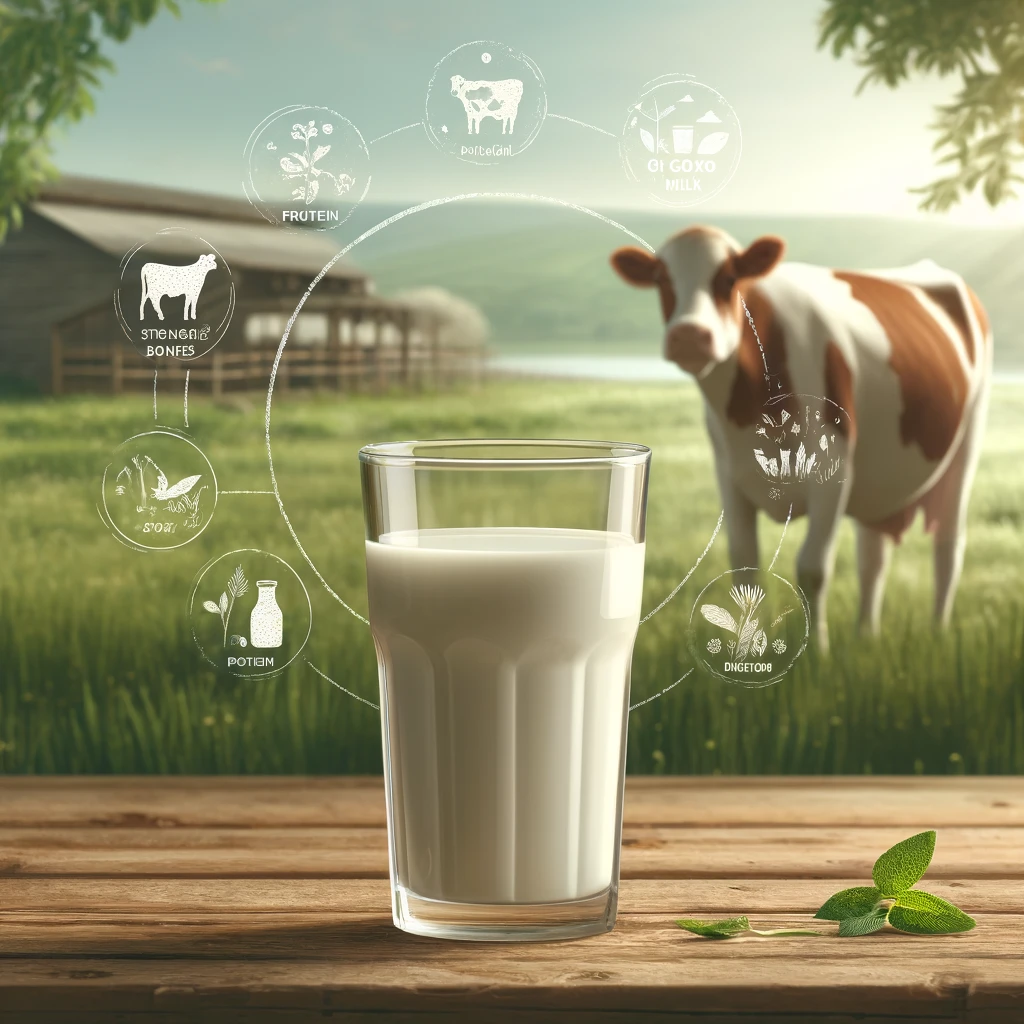

Cow milk has been a mainstay of human diets for generations in many different cultures. Along with being one of the most popular animal-based drinks, it is also a great source of vital nutrients. Because of its superior nutritional profile and all-encompassing health advantages, more people are choosing well health organic cow milk—milk free of hormones, antibiotics, and chemical contaminants—as their lifestyle choices become more conscious of health and organic living.
For health-conscious people, students, and nutritionists, this article is a great resource because it explores the science, health benefits, and organic philosophy around cow milk, especially when it comes to organic sources.
Cow Milk’s Nutritional Profile
Nutrients that are vital to human health are naturally abundant in cow’s milk. Usually, one glass (240 ml) of cow’s milk offers:
Approximately 300 milligrams of calcium
8 grams of protein
Vitamins B12, B2 (riboflavin), and D
Potassium and Phosphorus
Strong bones, better muscle function, and general metabolic health are all facilitated by these nutrients. Organic cow milk is a safer and healthier option because it is made without artificial hormones or pesticides and provides the same nutrients without the possibility of chemical residues.
Bone Health and Cow Milk
The high calcium concentration of cow milk, which is essential for bone growth and preservation, is one of its best-known advantages. Calcium absorption is aided by vitamin D, which is also included in milk or supplemented through fortification.
Drinking enough milk helps prevent bone loss and diseases like osteoporosis in older individuals, while it is associated with greater bone growth in children. Additionally, the well-health organic method guarantees that the milk is devoid of impurities that would otherwise impair calcium metabolism.
Muscle Development and Repair
All nine of the essential amino acids required for body processes, including muscle repair, are present in milk, making it a complete protein. For athletes and fitness aficionados in particular, cow milk’s casein and whey protein make it the perfect post-workout recovery beverage.
Organic cow milk guarantees that the protein quality is maintained without the use of hormones, which are frequently employed in traditional dairy production. This makes well-health organic cow milk the go-to option for anyone looking to gain lean muscle in a sustainable and natural way.
Regulation of Blood Pressure and Heart Health
Cow milk contains potassium, a mineral important for heart health. Potassium lowers blood pressure and dilates blood vessels. Regular milk consumption, when included in a balanced diet, may reduce the risk of cardiovascular disease, according to studies.
Since organic milk is generally produced from cows that are grass-fed and antibiotic-free, the advantages are greater when the milk is organic. This promotes healthier lipid profiles in customers in addition to improving the ratio of omega-3 to omega-6 fatty acids.
Healthy Digestive Systems with Probiotics
Many people benefit from fermented dairy products like kefir and yogurt derived from cow’s milk, even if some people are lactose intolerant. Probiotics, which balance the microbiota and promote intestinal health, are included in these.
When processed into fermented items, organic cow milk from reliable sources frequently contains more beneficial bacteria. Furthermore, it is gentler on the digestive system due to the lack of artificial additives and preservatives, which is consistent with the ideas of healthy organic living.
Support for the Immune System
Zinc, selenium, and vitamin B12 are all found naturally in cow’s milk and are essential for immunological function. For example, vitamin B12 stimulates the creation of red blood cells and brain function, while zinc aids in the production of immune cells.
When sourced organically, cow milk is free from harmful immune-disrupting toxins like pesticide residues or synthetic growth hormones. Better health outcomes are promoted by ensuring that the nutrients that support the immune system may operate without hindrance.
Benefits to Neurology and Mental Health
Mental health is significantly impacted by nutrition. B vitamins, especially B12 and B2, which are found in cow’s milk, are believed to boost energy, lessen weariness, and promote brain function.
According to recent research, eating enough dairy products may reduce your chance of developing depression and cognitive deterioration. People can take advantage of these neurological advantages without being exposed to the neurotoxic consequences of contaminated or processed dairy products by choosing well-healthy organic cow milk.
Pregnancy and the Development of the Child
The nutritional advantages of cow milk are particularly important for young children and pregnant women. Milk contains calcium, protein, and vitamins that promote the growth of the kid, the health of the mother’s bones, and fetal development.
Healthy organic milk guarantees that expectant mothers aren’t ingesting any toxic elements that might impact the development of the fetus. In order to prevent early exposure to hormones and antibiotics, many pediatricians advise toddlers to drink organic milk.
Ethical and Environmental Aspects
In addition to helping consumers, organic milk production promotes environmental sustainability and animal welfare. Generally speaking, cows maintained according to organic standards are pasture-fed, live in better conditions, and aren’t regularly given hormones or antibiotics.
This is in line with the well-health organic philosophy, which promotes ethical agricultural methods that benefit the environment and people. Organic cow milk consumers indirectly support cleaner water, less land erosion, and improved farm animal care.
How to Select the Best Organic Cow Milk
It’s crucial to search for certificates like “USDA Organic” or their equivalents, depending on the nation, while choosing organic cow milk. These labels show that the milk was produced in compliance with stringent organic farming standards.
Think about the source as well; milk from small family farms is frequently of superior quality than that from mass-produced types. Some companies even include A2 milk, which those with sensitivities may find easier to stomach.
The Argument in Favor of Well Health Organic Cow Milk
Choosing organic cow milk is a significant step toward the well-health organic movement, which promotes a return to natural, chemical-free life. In addition to its high nutritional content, cow’s milk promotes a number of physical and mental health benefits, particularly when it is devoid of artificial additives.
Including organic cow milk in your diet can help you live a more sustainable lifestyle, strengthen your bones, and enhance your immunity and digestion. It’s crucial to take into account your unique dietary requirements and, if required, seek advice from a healthcare professional before making any decisions on your health.
Embracing the natural deliciousness of well-health organic cow milk is more than simply a dietary decision in a world full of processed goods and synthetic substitutes; it’s a lifestyle choice that promotes improved health and a more sustainable planet.